

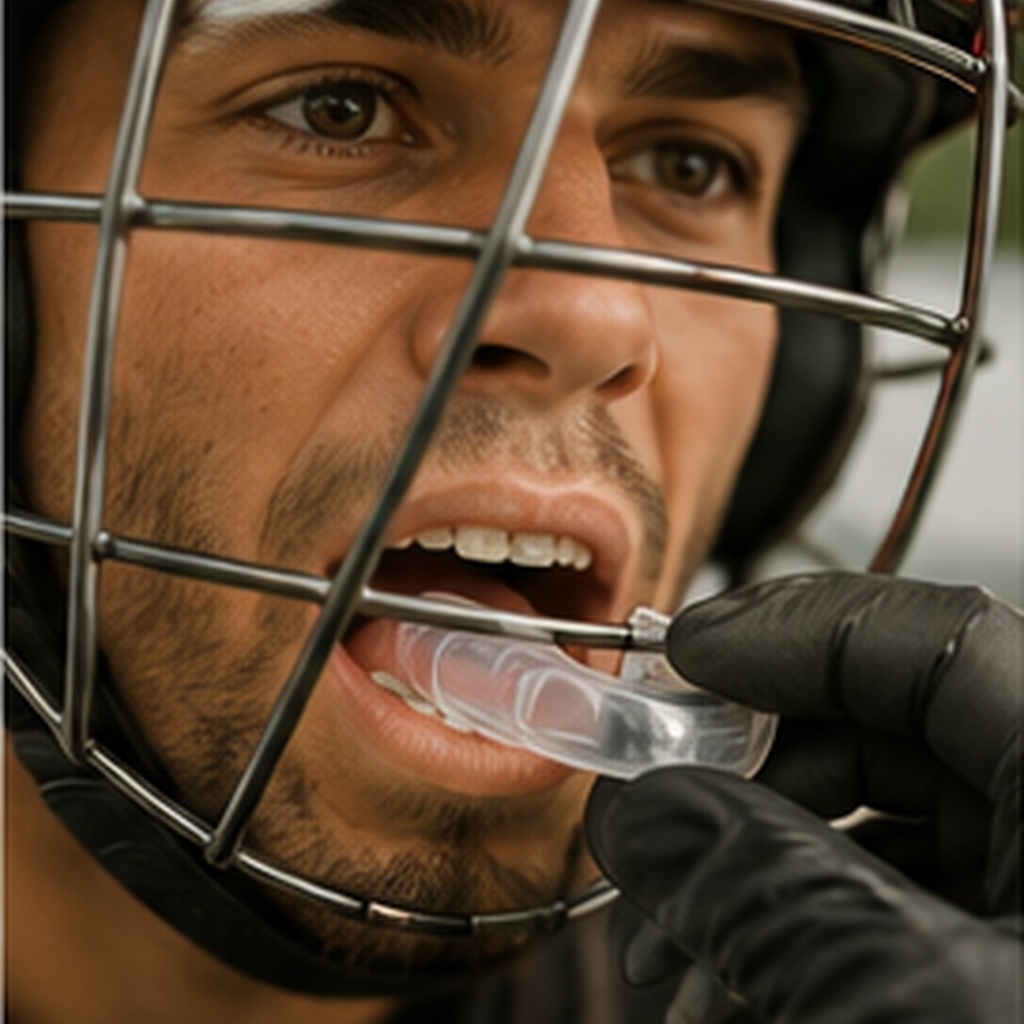
About Sports Dentistry
Sports dentistry supports injury prevention with suitable mouth protection and provides timely assessment of tooth, jaw and soft-tissue injuries related to sport.
When this treatment may be needed
- Risk of sports-related dental injury
- Damaged teeth after sport
- Jaw or soft-tissue trauma
- Need for a protective mouthguard
Common symptoms or concerns
- Participation in contact sport
- Recent dental trauma
- Need for a custom mouthguard
- Return-to-sport dental advice
How evaluation and planning work
- Review of dental and medical history
- Clinical examination and diagnostics where indicated
- Discussion of suitable options, limitations and treatment sequence
- Clear guidance about preparation, aftercare and follow-up
Recovery and aftercare
Follow injury-specific advice and clean and store mouthguards as instructed. Mouthguards should be reviewed as teeth, bite or growth change.
Frequently Asked Questions
Who should consider a sports mouthguard?
People taking part in contact, collision or other activities with dental and facial injury risk should discuss appropriate mouth protection with a dental professional.
What is the difference between a custom and shop-bought mouthguard?
A custom mouthguard is made to a dental model for an individual fit. Protection, comfort and suitability still depend on design, sport, wear and regular review.
Can I wear a mouthguard with braces?
Yes, but it must allow for appliances and tooth movement. The orthodontic or dental team should advise on a suitable design and replacement timing.
What should I do after a tooth is injured during sport?
Seek prompt dental assessment. Management depends on whether the tooth is chipped, displaced or knocked out; significant facial injury or other emergency signs need urgent medical care.
When should a sports mouthguard be replaced?
Replace or review it when fit changes, it is damaged, the bite changes, or a growing child's teeth develop. Clean and store it according to the dentist's instructions.
Need help deciding?
Request a consultation and the clinic team will guide you based on your concern and clinical assessment.
Book Appointment