

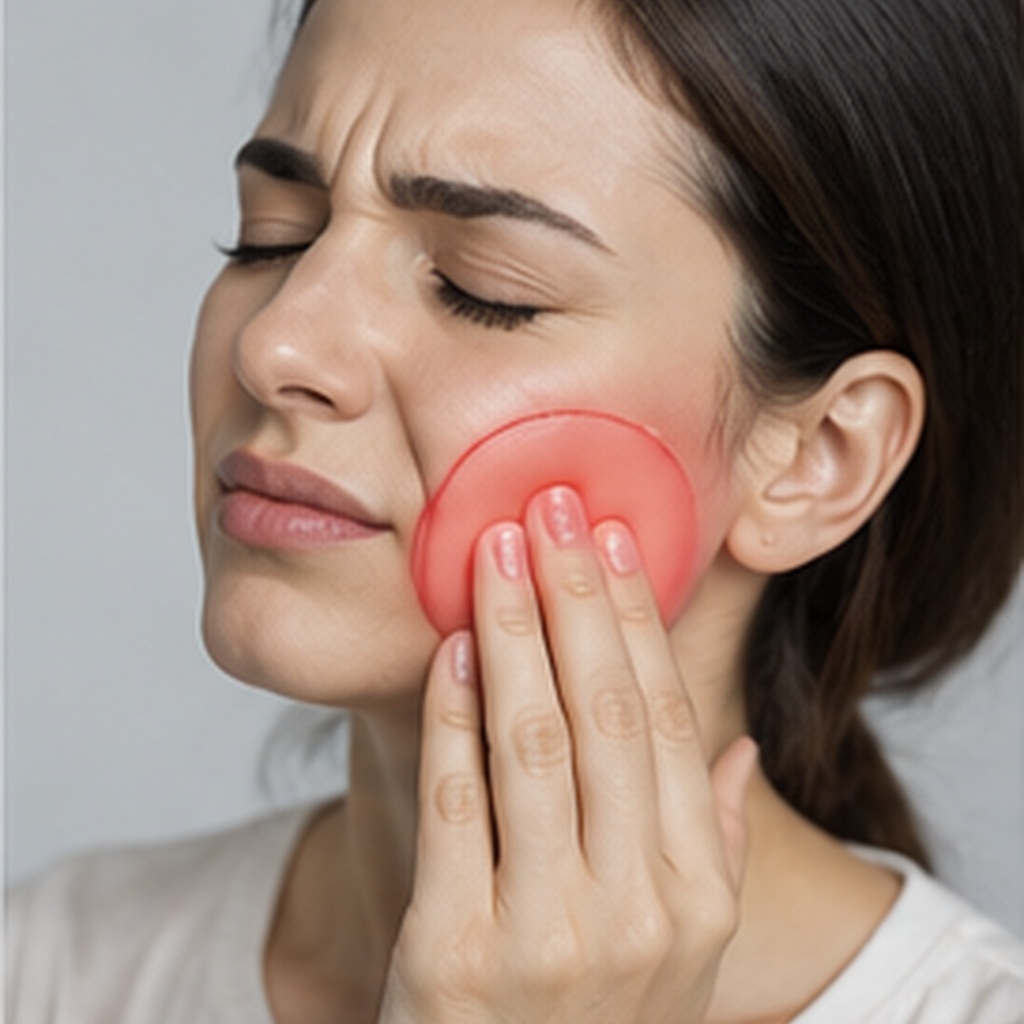
About TMJ and Facial Pain Treatment
Orofacial pain management begins by identifying likely dental, muscular, joint or other contributing factors. Care may include conservative measures, dental treatment, habit guidance or coordinated specialist referral.
When this treatment may be needed
- Temporomandibular disorders
- Jaw-joint discomfort
- Facial or chewing-muscle pain
- Persistent unexplained oral or facial pain
Common symptoms or concerns
- TMJ pain
- Pain while chewing
- Jaw locking or painful sounds
- Recurring facial pain
- Limited mouth opening
How evaluation and planning work
- Review of dental and medical history
- Clinical examination and diagnostics where indicated
- Discussion of suitable options, limitations and treatment sequence
- Clear guidance about preparation, aftercare and follow-up
Recovery and aftercare
Follow individual advice about jaw use, exercises, habits, medicines and review. Persistent or changing symptoms should be reassessed.
Frequently Asked Questions
Is every jaw click a problem?
No. Jaw sounds without pain or restricted movement are common and may not need treatment. Persistent or painful clicking, locking or movement change should be clinically assessed.
Can facial pain come from dental or jaw-related causes?
Yes, but facial pain can also have non-dental causes. Assessment may consider the teeth, chewing muscles, jaw joints and other possible sources before care or referral is recommended.
Will a TMJ disorder or TMJ pain go away on its own?
Some temporomandibular disorder symptoms improve with time and conservative care, while others persist or recur. A clinician should assess severe, worsening or ongoing pain and restricted movement.
What is the difference between TMJ and TMD?
TMJ means the temporomandibular joint itself. TMD means temporomandibular disorders, a group of conditions affecting the jaw joint, chewing muscles or related structures.
Can stress cause TMJ problems?
Stress may contribute to jaw clenching, muscle tension and how pain is experienced, but TMD can have several contributing factors. Symptoms should not be attributed to stress without assessment.
Can TMJ problems cause headaches?
Some TMDs can be associated with headache, but headaches have many possible causes. Diagnosis should be based on a detailed history and examination rather than symptoms alone.
How long does TMJ treatment take?
There is no single timeline because TMDs have different causes and patterns. Progress depends on the diagnosis, treatment approach, symptom duration and individual response to conservative care.
Need help deciding?
Request a consultation and the clinic team will guide you based on your concern and clinical assessment.
Book Appointment